Holiday
Composition
Occasion
Some bouquets start to wilt after just three days, while others can stay fresh for three weeks. The difference isn't simply a matter of luck or water quality — the type of flower plays a major role. Some cut flowers naturally last only 5–7 days even with good care, while others can remain beautiful in a vase for more than two weeks. If you want your bouquet to stay fresh for as long as possible, choosing the right flowers makes all the difference. You can browse long-lasting bouquets and flowers with delivery across Almaty in the Pion.kz flower catalog.
The estimates below are based on typical indoor conditions: room temperature, fresh water, and no direct sunlight. Actual vase life will depend on how fresh the flowers are when purchased and how well they are cared for.
Orchids are among the longest-lasting cut flowers. A stem of Phalaenopsis orchid can remain beautiful in a vase of clean water for three to four weeks. The main drawbacks are the relatively high price and their distinctive appearance, which may not suit every occasion.
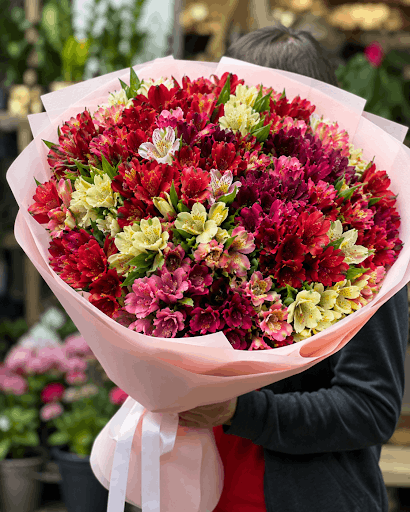
Alstroemeria is one of the longest-lasting affordable cut flowers. It can stay fresh in a vase for two to three weeks while costing considerably less than orchids. This combination of long vase life and reasonable price makes it one of the most practical choices for a bouquet. You can browse our selection of alstroemerias in the Pion.kz catalog.
Eustoma, also known as lisianthus, is another exceptionally long-lasting option. Its buds open gradually, with a single stem producing several flowers over the course of several days. As a result, an eustoma bouquet continues to change and develop day by day.
Both spray and single-stem chrysanthemums can stay fresh in a vase for around two weeks. They require relatively little care and tolerate moderate temperature changes well. Chrysanthemums are one of the most reliable choices when you consider price, vase life, and appearance together.
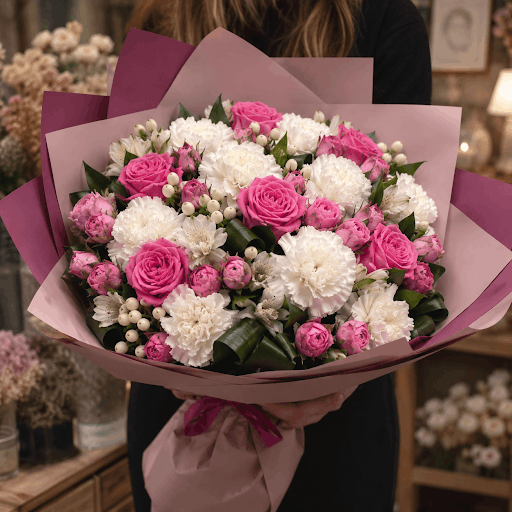
Carnations are often underestimated. They last a long time, require little special care, and hold their shape well. Modern varieties come in an impressive range of colors and forms and can look very different from the traditional carnations many people are familiar with.
Hydrangeas can last for more than a week with proper care. One important detail is that hydrangeas can absorb moisture through their petals as well as through their stems, so occasionally immersing the flower heads in cool water can help keep them hydrated.
Vase life varies considerably depending on the variety and how fresh the roses are when purchased. Long-stemmed Dutch roses can last up to 10 days with proper care, while spray roses may have a somewhat shorter vase life. Hot summer temperatures can also cause roses to wilt more quickly.
Despite their beauty, peonies are among the shorter-lived popular cut flowers. They wilt relatively quickly, especially in warm conditions. Peonies are valued less for longevity and more for their spectacular appearance and distinctive fragrance during their short flowering season.
Sunflowers need plenty of water. With frequent water changes and a cool environment, cut sunflowers can remain fresh for about a week.
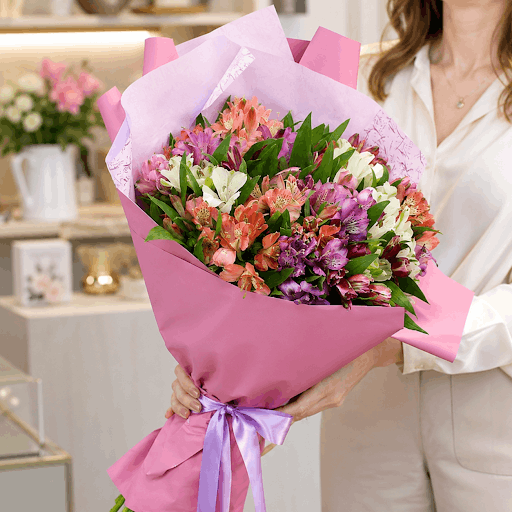
Among affordable cut flowers, alstroemeria stands out for its impressive vase life without a significant increase in price. There are several reasons why it lasts so well:
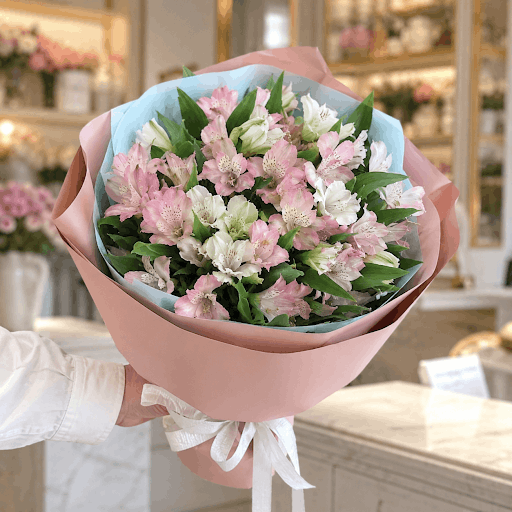
Alstroemerias are available in a wide range of colors, including pink, white, yellow, orange, lilac, and two-tone varieties. You can see the current selection in the Pion.kz alstroemeria catalog.
Choosing long-lasting flowers is only half the story. The other half is how the bouquet is stored and cared for. Several factors can significantly affect the vase life of almost any cut flower:
A long-lasting bouquet isn't simply about getting more for your money. Flowers that remain beautiful for two or three weeks become a daily reminder of the person who gave them. Alstroemeria, eustoma, and chrysanthemums are three excellent choices if you want that lasting effect without paying a significant premium.