Holiday
Composition
Occasion
Flowers have accompanied humanity for centuries, symbolizing love, respect, joy, and even sorrow. Many of them have fascinating histories rooted in ancient civilizations. Let’s discover where the most popular bouquet flowers come from and what they represent.
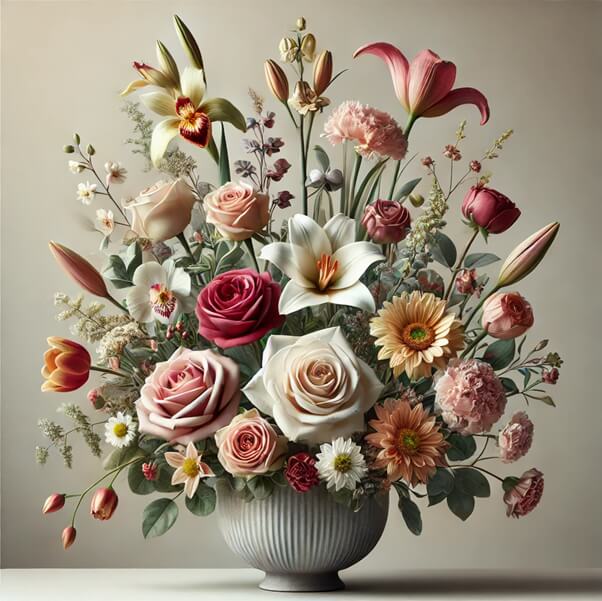
The rose is one of the oldest and most symbolic flowers. The first mentions of roses date back more than 5,000 years, and they were cultivated in Ancient China, Greece, and Rome. During the Roman Empire, roses were used not only for decoration but also for medicinal purposes. In the Victorian era, there was even a special language of flowers — “floriography,” where different shades of roses conveyed specific emotions: red — passion, white — purity, yellow — friendship.
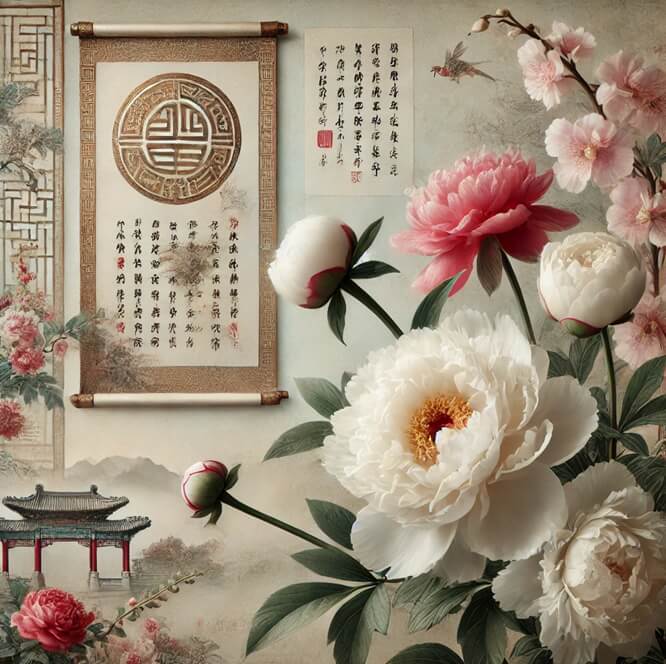
Peonies appeared in Asia more than 2,000 years ago and were long grown exclusively in the imperial gardens of China. The Chinese believed peonies brought luck and prosperity, while in Japanese culture they symbolized courage and nobility. In Europe, peonies became popular in the 19th century, and today they are often used in wedding bouquets as a sign of romance and eternal love.
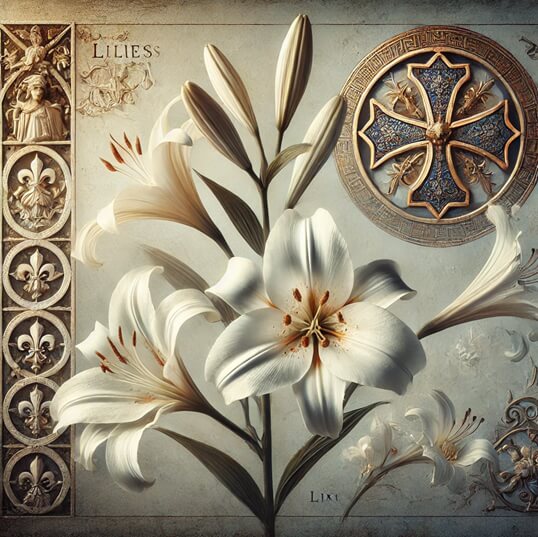
Since ancient times, the lily has been associated with purity and divine power. In Ancient Greece, it was believed to have grown from the milk of the goddess Hera. In the Middle Ages, lilies became a symbol of royal authority, especially in France, where they were depicted on dynastic coats of arms. In Christian tradition, white lilies are associated with the Virgin Mary, representing chastity and spiritual purity.
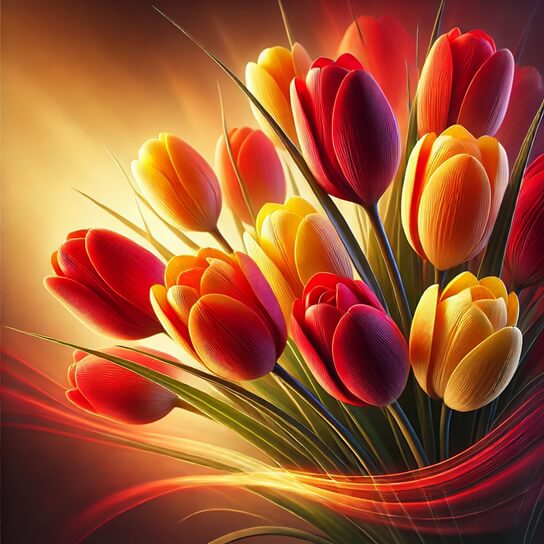
Tulips originated in Persia, where they were a symbol of love. In the 16th century, the Dutch brought these flowers to Europe, triggering the famous “Tulip Mania” — the first recorded financial bubble, when the price of rare tulip bulbs reached extraordinary heights. In Turkey, tulips symbolized wealth and luxury, while in Japan they are considered flowers of spring and renewal.
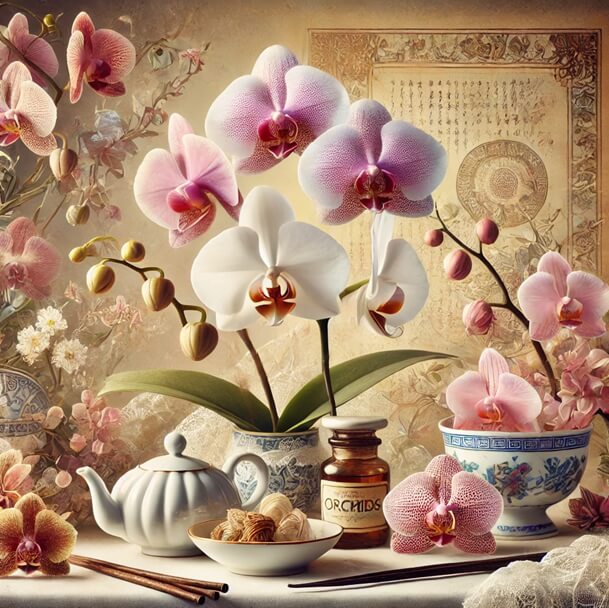
Orchids include thousands of species and are found all over the world. In Ancient China, they were used in medicine, and in Victorian England orchids were considered a sign of luxury and refinement. In Central and South America, indigenous peoples prepared drinks from orchids similar to modern vanilla desserts. Interestingly, vanilla is also a type of orchid, and its cultivation began as early as the Aztec era.
Daisies were known in Ancient Egypt and used in rituals and medicinal infusions. In Europe, they became a symbol of innocence and youth and are also used for the “loves me, loves me not” fortune-telling. In medieval England, daisies were believed to heal emotional wounds, and in Scandinavia the flower was associated with the love goddess Freyja.
Sunflowers originated in the Americas, where they were cultivated by indigenous peoples long before the arrival of Europeans. They were used not only as decoration but also as a food source — sunflower seeds were an important part of the diet. In many cultures, the sunflower symbolizes happiness, sunshine, and optimism. In China, it represents longevity, while in Russia it is seen as a herald of summer.
Carnations have been known since ancient times. In Ancient Greece, they were used in rituals, and in Ancient Rome — in warriors’ wreaths. Today, red carnations symbolize love, pink — gratitude, and white — innocence. In the 20th century, carnations became symbols of revolutionary movements and protest, especially in Eastern Europe.

When choosing a bouquet, we choose not only beautiful flowers but also the history behind them. Knowing the origin and symbolism of flowers helps make a gift more meaningful and personalized. Flowers convey emotions and speak for us, emphasizing the importance of the moment. Want to delight your loved ones with a special bouquet? Order flowers in Almaty at Pion.kz and create an unforgettable gift with a story!